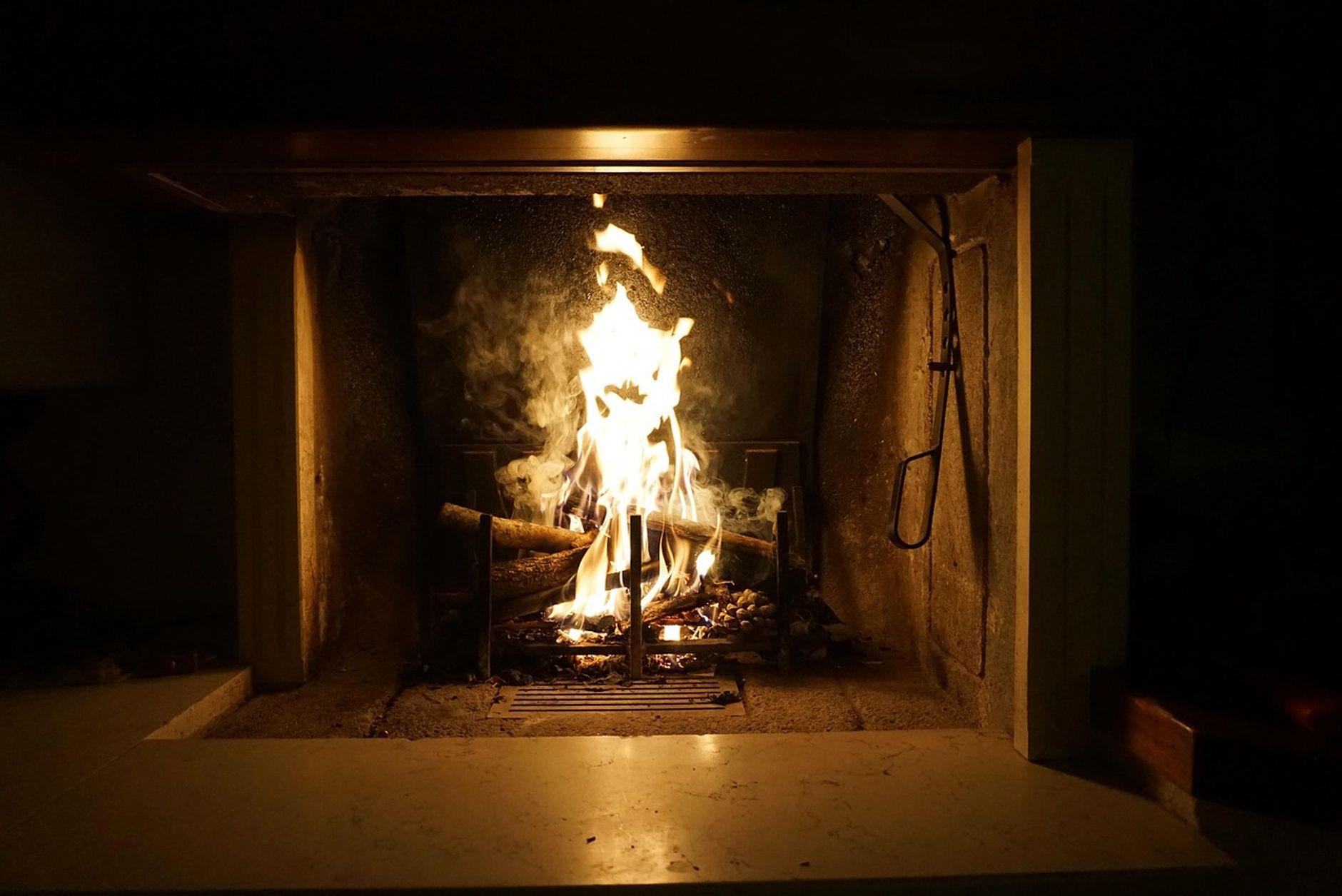
Most people who ask us about a gas insert are not chasing a new look. They are tired of the smoke: the haze that hangs in the living room after the fire dies, the smell in the curtains the next morning, and the grey plume that drifts over the fence toward the house next door. Pettigrew Chimney Sweep works on fireplaces across Ventura, and an insert is the upgrade we are asked to price more than any other. Here is the number, then what sits behind it.
The installed range
A gas insert from us costs $2,750 to $5,550, installed. That figure is the whole job, not the box on its own. It covers the unit, the venting that runs from the insert to the top of the chimney, the hookup to the gas supply, a trim panel that closes the gap between the insert and the old opening, and a first firing with a combustion test before we pack up.
Very few jobs fall outside that span. When one does, it is because the chimney or the firebox needs work before anything can go in, and you hear about that before a single part is ordered.
What keeps a job near the bottom
- A standard masonry firebox with straight sides and a sound back wall.
- A one story chimney, so the vent run is short.
- A gas line that already reaches the hearth, often left from an old log lighter.
- A plain insert with a wall switch or a basic remote.
- A flue that brushes out easily and shows no gaps when we look up it.
What pushes it toward the top
- A two story chimney, which roughly doubles the length of the vent pipes.
- No gas at the fireplace, so a new line has to come from the meter or the nearest appliance.
- A shallow or oddly shaped firebox that only takes certain models.
- A larger unit with a blower, a thermostat remote and a wide decorative face.
- An old cast iron damper sitting right where the vent pipes need to pass, which we cut away first.
- Firebox brick that needs repair so the insert has a solid floor to sit on.
None of these should be a surprise if the visit is done properly. We measure, look up the flue, find where the gas would come from and write it all down before you commit.
Getting a figure for your fireplace
Use the quote form to give us a rough width of the opening, whether gas already runs to the living room and whether the chimney climbs one story or two. From those three details we can say where in the range your job is likely to sit, then confirm it in writing once we have stood in front of the fireplace.
What changes in the room and on the street
An open wood fire pulls a great deal of room air up the flue and sends a lot of fine smoke out the top, most of all while it is catching and again as it smoulders down. On still, damp winter evenings in Ventura that smoke does not always climb away. It tends to drift low between houses, which is why the neighbor with a window open often smells your fire before you do.
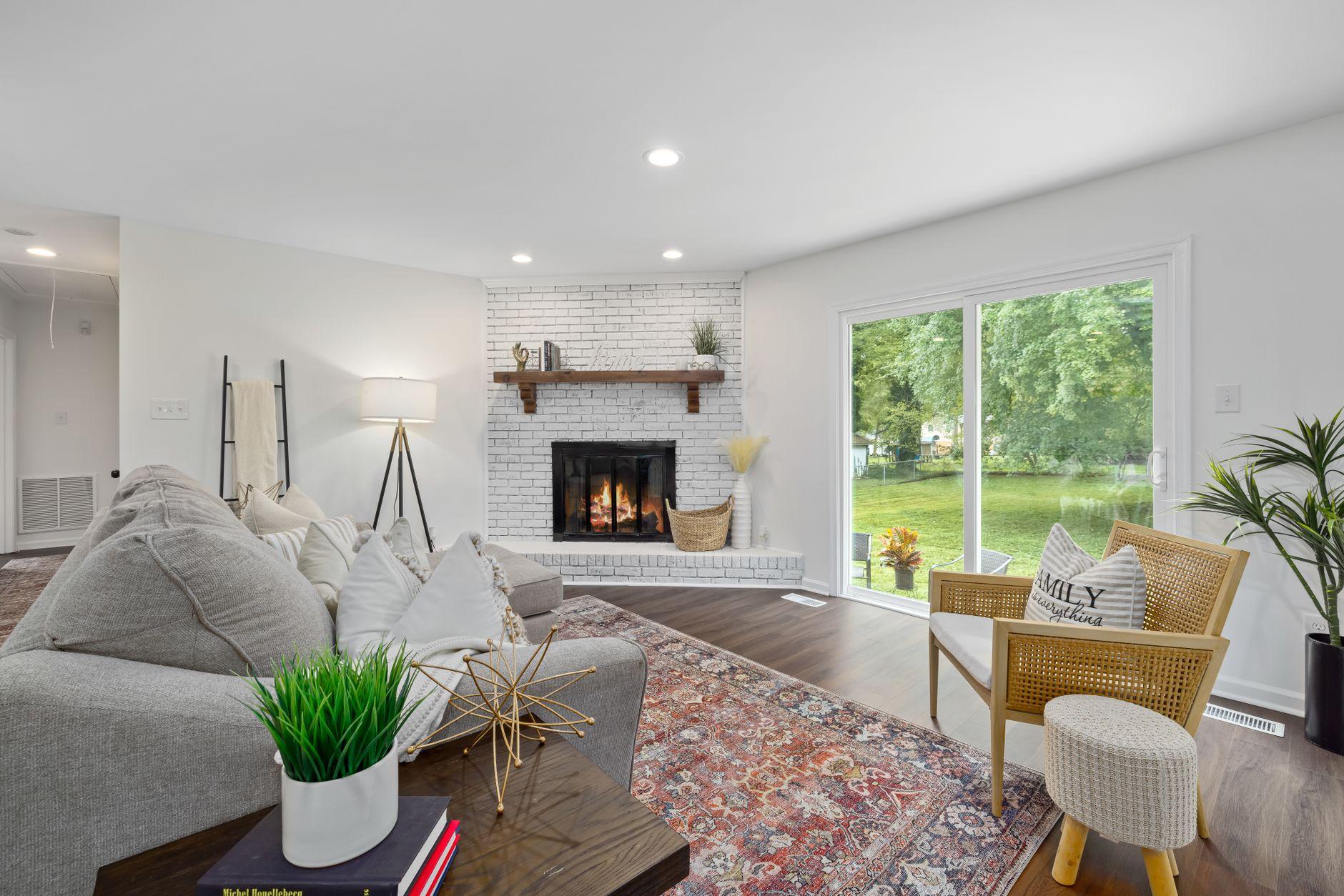
A sealed gas insert changes both ends of that. The firebox is closed behind glass, so it stops drawing warm air out of your living room. Combustion air comes in from outdoors and the exhaust leaves through its own pipe at the top of the chimney. Natural gas burns without the ash, soot and tarry smoke that come off wood, so there is nothing to shovel out of the firebox and nothing for the marine air to carry into the next yard.
Heat moves the other way. Most of what an open fire makes goes up the chimney with the smoke. An insert puts it into the room through the glass and, on models that have one, a fan.
Burn rules where we work
Ventura, Oxnard and Ojai sit under the Ventura County Air Pollution Control District. Customers of ours across the county line in Agoura Hills are in Los Angeles County, under the South Coast district and its Rule 445, which lets that district halt wood burning on winter days when the air is poor. A gas fireplace is not a wood-burning device, so an insert keeps working on those days while a wood fire has to stay dark. For an Agoura Hills household that likes a fire on cold evenings, that alone often settles the question.
Is gas the only cleaner option?
No. If you want to keep burning wood, a current wood insert built to federal smoke limits burns far cleaner than an open hearth and throws much more heat. It still needs dry wood, a swept liner and some care in how it is run. Vented gas logs are another path: cheaper than an insert and very little smoke, though the damper stays open and most of the warmth still rises up the flue. We fit all three and will say which one suits the way you use the room. Our fireplace inserts page covers the wood and gas units we fit, and gas logs have their own page.
Before the insert goes in
If wood has been burned in the fireplace, the flue gets swept first, because the vent pipe is going to run through it. Our chimney sweep starts from $415. If nobody has looked at the chimney in years, a Level 1 inspection at $54 tells us whether the crown, the cap and the firebox are fit to carry a new appliance. When the flue tiles look cracked or the chimney took a hard knock, we may suggest the camera, and that Level 2 visit is $385. In most Ventura houses the sweep plus a look from both ends is enough.
We also check the gas side: the shutoff, the line size and where the new valve will sit so you can reach it.
What you receive
A written quote that names the insert, the venting, the gas work and any repair to the firebox or damper, each on its own line. After the install you get the model and serial details, the date of the first firing and the combustion readings we took. Keep those with the house papers; a buyer's inspector will ask for them one day.
Next step
When you would rather have a warm room than a smoky one, our contact page is where an insert quote begins. We come out, measure the fireplace and put the price on paper.
Want a Cleaner Fire at Home?
Pettigrew Chimney Sweep looks at the appliance, the flue and the fuel, then sets out in writing what would cut the smoke. Visits run from Ventura to Oxnard, Ojai, Agoura Hills and the other listed cities.