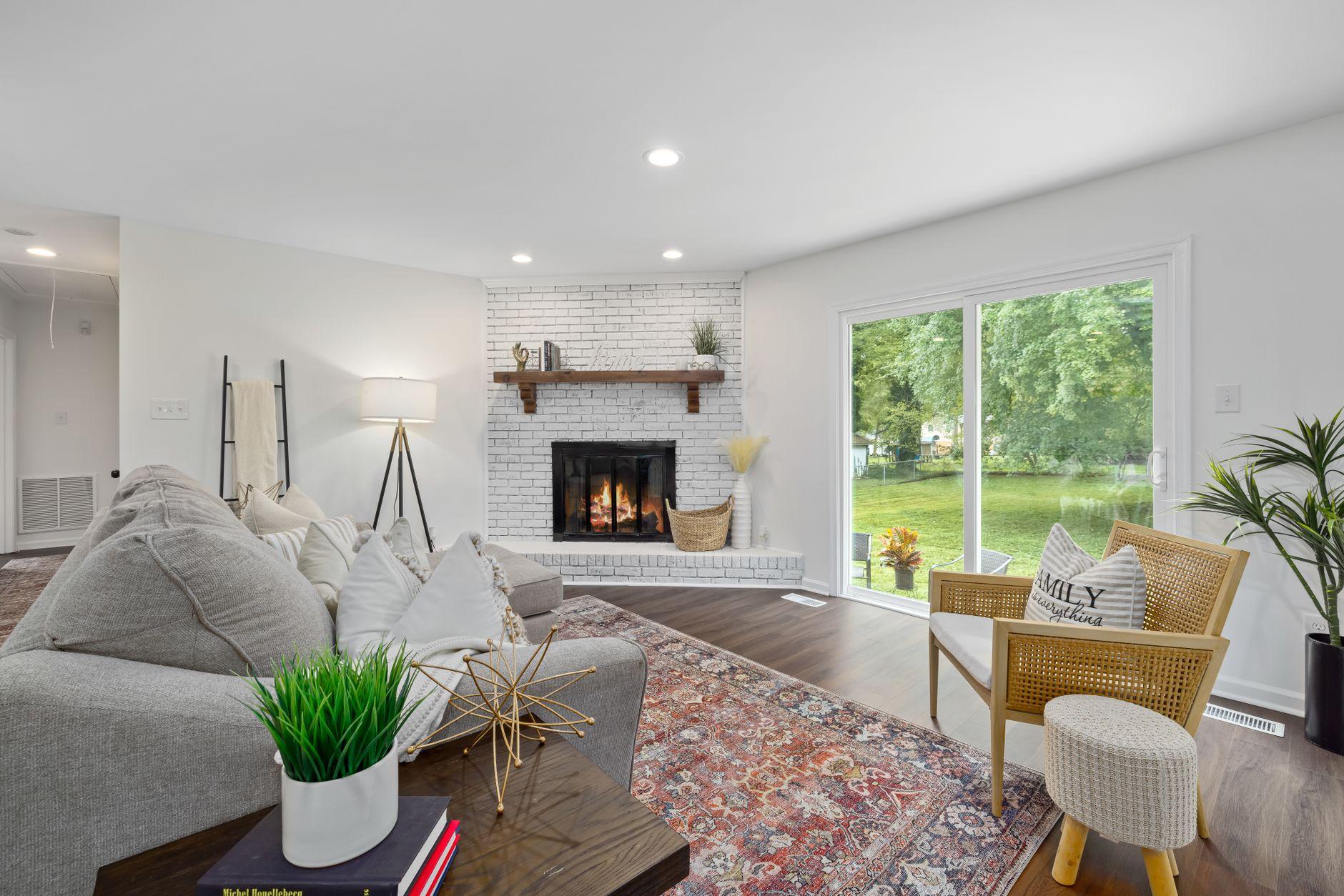
Homeowners in Ventura who call us about smoke usually want one of two things. Some want the fire they have to smoke less. Others want to stop sending smoke out of the chimney at all and are wondering what that would take. Both are reasonable, and the answer comes down to four setups we fit and service every winter. Here is how they compare on the things people ask about: smoke, heat, cost and the rules on when you can burn.
Side by side
| Setup | Smoke from the chimney top | Heat into the room | What we charge |
|---|---|---|---|
| Open wood hearth | The most of the four | Little; most goes up the flue | Sweeps from $415 |
| Wood insert | Far less, when run well on dry wood | A lot | Priced after we see the fireplace |
| Gas insert | Almost none | A lot, and steady | $2,750 to $5,550 installed |
| Vented gas logs | Very little | Modest | Priced by set and firebox |
The open hearth
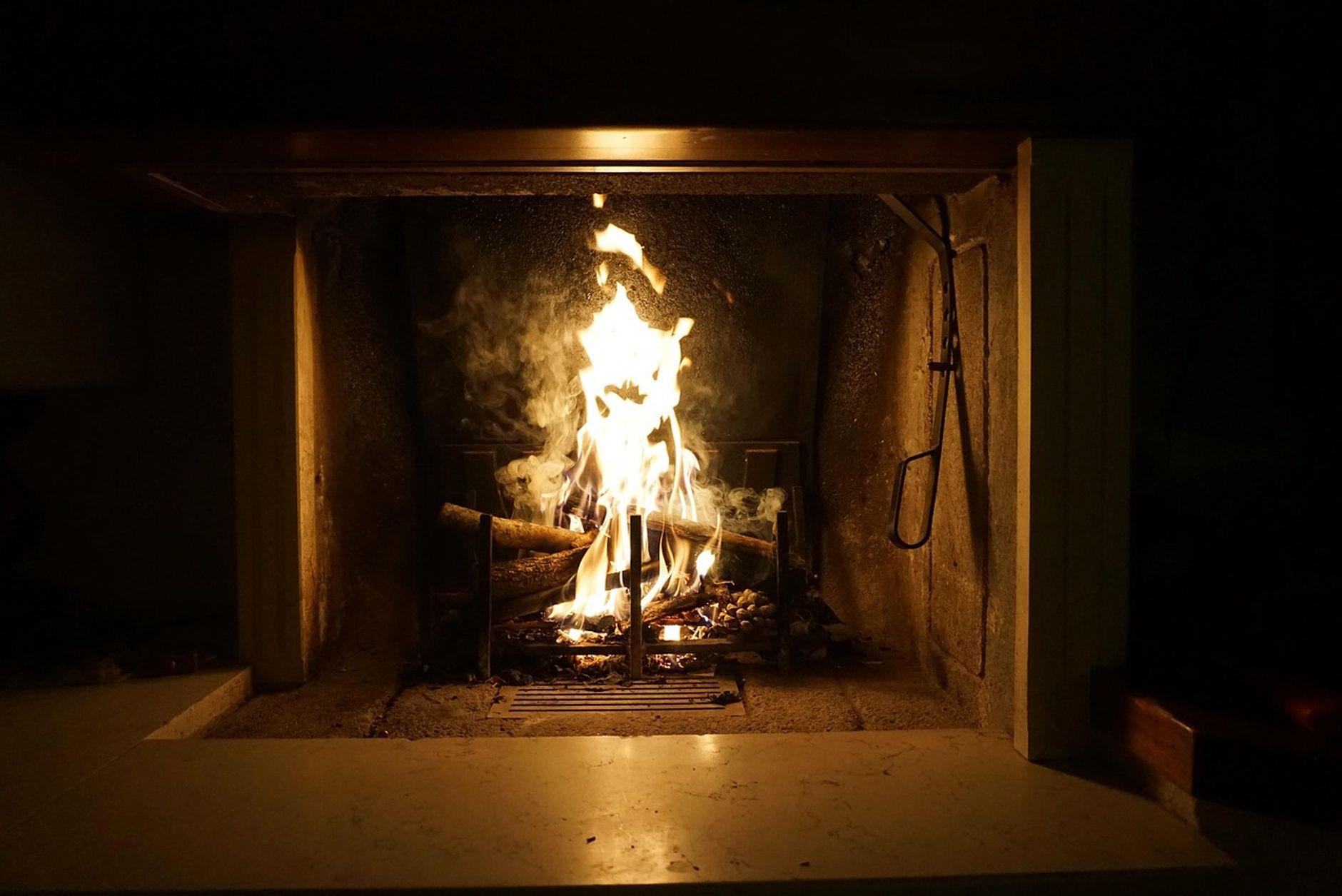
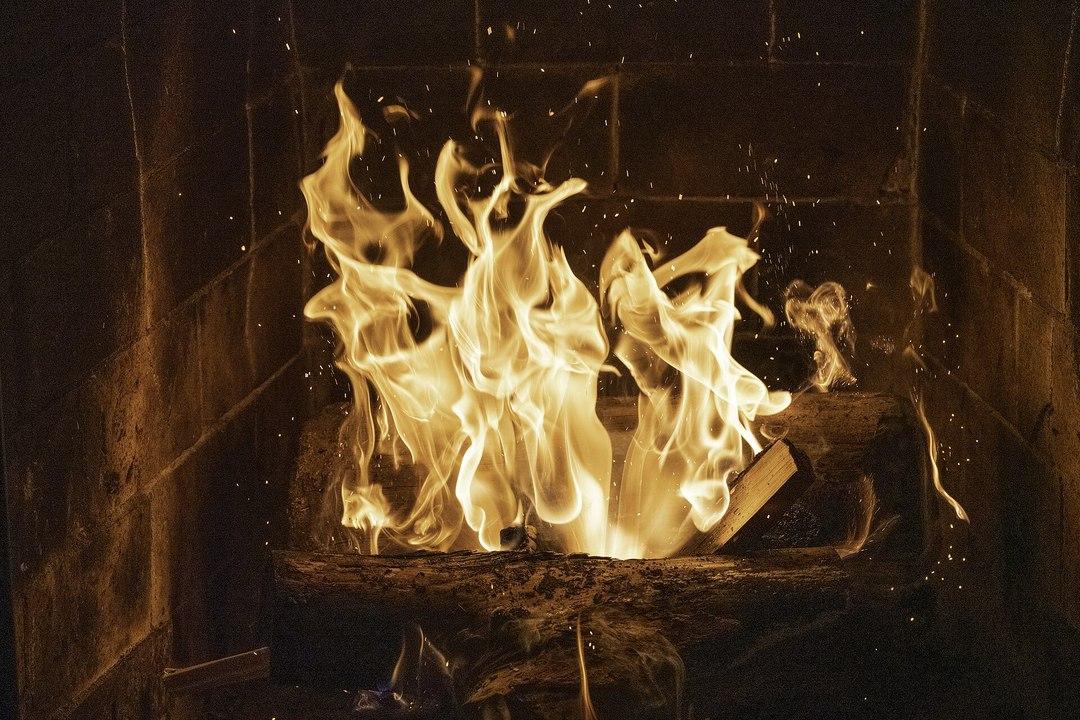
The open fireplace is the one people love and the one that smokes most. With no door, it draws large amounts of room air up the flue, which takes warm air out of the house and makes the fire burn fast and unevenly. It also sends a lot of fine smoke out the top, mostly while it lights and while it dies down. On still, damp evenings in Ventura that smoke tends to hang low in the street.
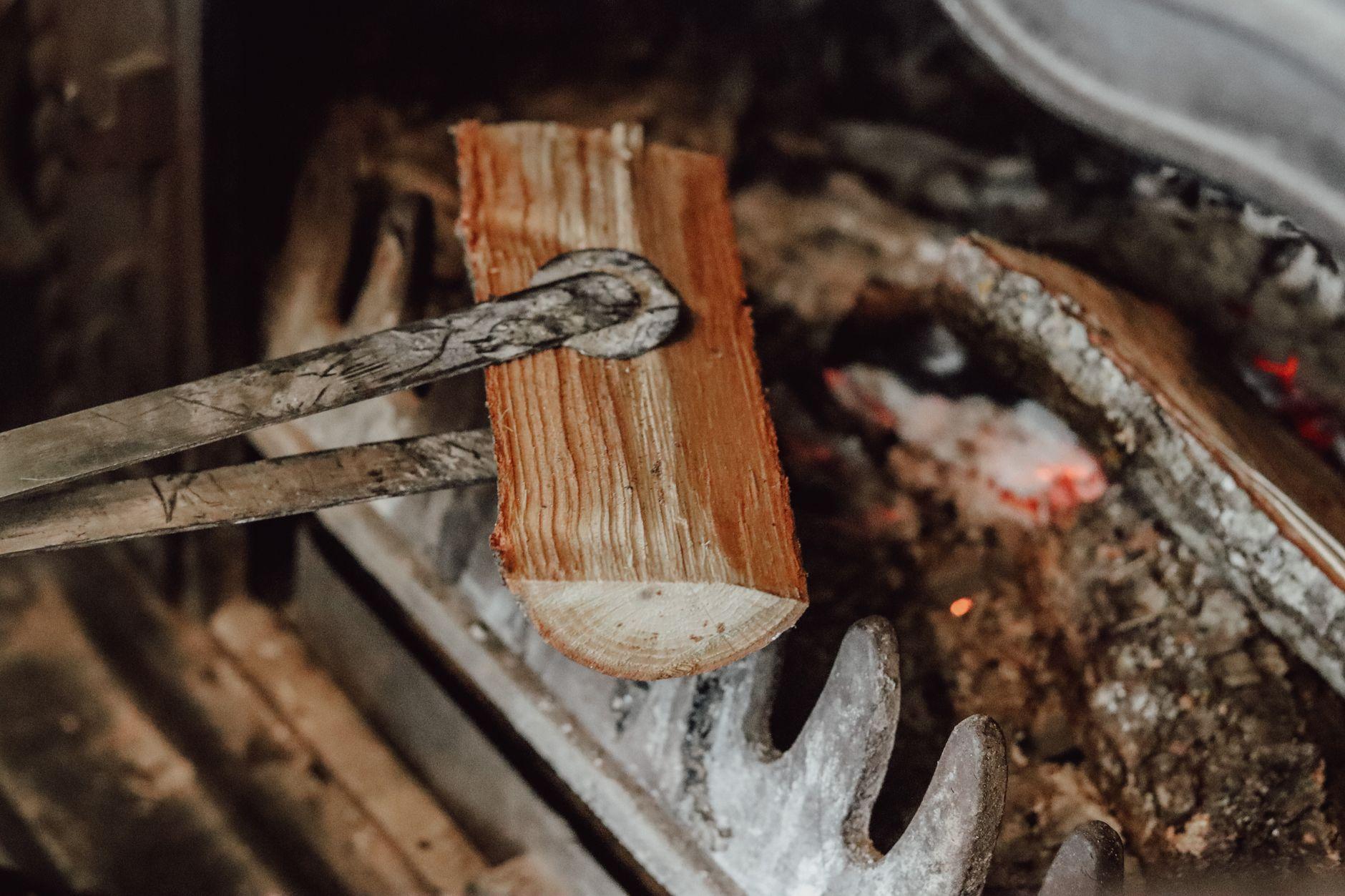
An open fireplace can be made to smoke less. Dry, split hardwood, a swept flue, a damper that opens fully and a fire built hot rather than smothered all help a great deal. Glass doors cut the room air it pulls. But an open fire will never burn as cleanly as a closed appliance, because it cannot control its air.
The wood insert
A wood insert is a stove made to sit inside the existing firebox, with a stainless liner from its outlet to the top of the chimney. A current model is built to federal smoke limits and uses a baffle or a catalyst to burn off much of the smoke before it leaves. Fed dry wood with the air set right, it puts a lot of heat into the room and only a faint haze out the top.
It still burns wood, so it still needs sweeping, still needs dry fuel and still falls under any wood burning ban. Its price depends on the model and the chimney it vents into, so we give it after a visit.
The gas insert
A gas insert closes off the firebox behind glass and runs on natural gas or propane. It takes its combustion air from outdoors and sends its exhaust up its own pipe. There is no ash, no creosote and essentially no smoke. The heat is steady and comes on with a switch. Installed, with venting and gas hookup, ours run $2,750 to $5,550. Of the four, this is the one that takes the smoke question off the table.
Vented gas logs
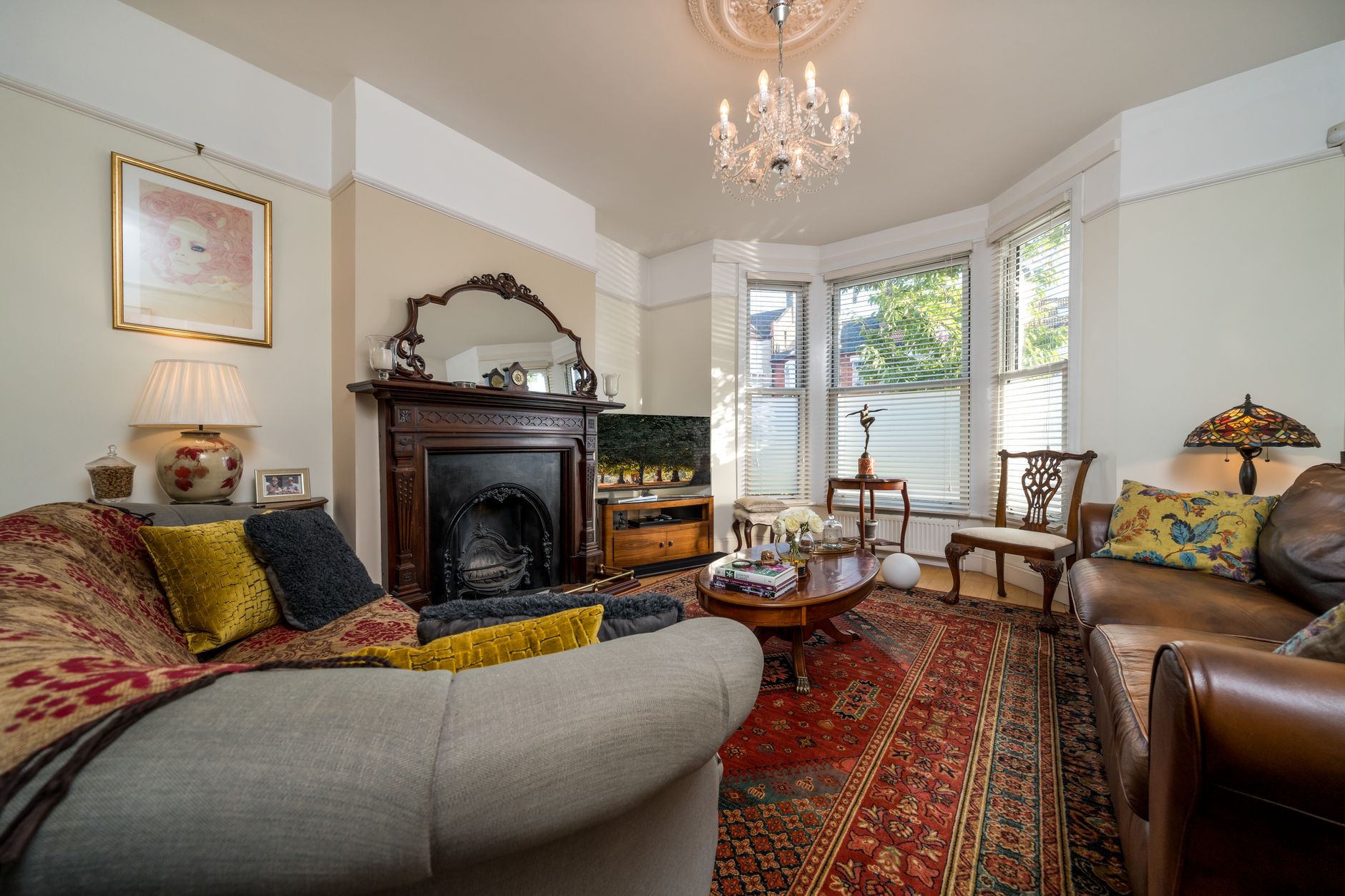
A log set sits in the open firebox on a gas burner. It looks like a fire, burns very cleanly and costs less than an insert. The trade off is heat: with the damper left open for the exhaust, much of the warmth still escapes up the chimney. For a room where the fire is mostly for looks, it is a good answer.
No burn days
Ventura, Oxnard and Ojai are under the Ventura County Air Pollution Control District. Agoura Hills, which we also serve, sits in Los Angeles County under the South Coast district, where Rule 445 lets the district stop wood burning on winter days when the air is poor. Those curtailments apply to wood. A gas insert or gas logs can run on those days, while an open hearth or a wood insert cannot. If you live in Agoura Hills and the fire is part of your winter evenings, that makes gas the practical pick.
What decides which one is right
- How you use the room. Heat on cold nights points to an insert. A fire for the look a few times a year points to logs or a well kept open hearth.
- Whether gas reaches the fireplace. If it does, gas costs less to fit. If not, a line has to be run.
- The chimney. Inserts need a liner sized to them, and the flue has to be sound enough to carry it.
- Your patience for wood. Wood inserts reward people who keep a dry woodpile and enjoy tending a fire.
Once you have a direction, use the quote form to say which setup you are leaning toward, whether there is gas in the room and how the fireplace gets used now. We come back with a visit time and, for a gas insert, a likely spot in our price range.
What the visit looks at
Before we recommend anything we look up the flue, check the damper, measure the opening and find the gas supply. If the chimney has not been looked at in years, a Level 1 inspection at $54 covers the crown, cap, flue and firebox. If the flue tiles look cracked or the chimney took a knock, the camera inspection, a Level 2, is $385. Any appliance we fit goes into a flue we have seen.
Keeping the fireplace you have
Not everyone wants to change. If the open hearth stays, a sweep from $415, dry wood and a damper that works properly make the biggest difference to the smoke. We will show you where it is coming from and what would cut it, and we will not push an insert on a family that wants an open fire.
More on the appliances is on our fireplace inserts and gas logs pages, and the chimney sweep page covers the cleaning.
Talk it through
Undecided? Start on our contact page. We will look at the fireplace with you and lay out the choices, each with its price.
Want a Cleaner Fire at Home?
Pettigrew Chimney Sweep looks at the appliance, the flue and the fuel, then sets out in writing what would cut the smoke. Visits run from Ventura to Oxnard, Ojai, Agoura Hills and the other listed cities.